
Reviewed · INNSBRUCK TOURS
Innsbruck: Alpenzoo Entrance Ticket
The Alpine Zoo gives you a close look at animals built for the mountains, from brown bears and lynx to ibex, otters, birds of prey, and Alpine fish. Instead of a collection of distant cages, the zoo arranges its animals around valleys, lakes, rocky slopes, and cold mountain regions.
I like the strong focus on native Alpine wildlife and the chance to see species in enclosures designed around their natural settings. I also like that your $17 ticket covers the whole zoo for one day, making it easy to take your time with children. The main drawback is the sloped terrain, and the information advises that the zoo may not suit wheelchair users despite its accessibility features, so check your needs before booking.
Key points to know before you go
- About 150 Alpine species: See roughly 20 mammal species, 60 bird species, and nearly all fish species found in the Alps.
- Best spring sightings: From March, birds court and build nests. From April through June, young ibex, chamois, and deer appear.
- Active in winter: Most animals remain active year-round, though marmots, reptiles, and amphibians are less active in winter.
- Natural mountain setting: Expect sloped paths, walk-in enclosures, terrariums, aquariums, and aviaries.
- Conservation work: The zoo takes part in European breeding programs and receives injured wildlife.
- Useful facilities: Animal Meal bistro has indoor and outdoor seating for about 150 people, with small meals and drinks.
Why Innsbruck’s Alpine Zoo feels different
Many city zoos make you work to connect an animal with its home. Here, the central idea is much clearer: this is a zoo about the Alps. You move through habitats that suggest green valleys, quiet lakes, rocky mountain sides, and icy high regions.
That focus gives the visit a strong sense of place. You are not trying to see every famous animal on earth. You are learning what lives in the mountain region around Innsbruck, including creatures you may never spot during a normal walk in Tyrol.
The collection includes around 150 species. That covers about 20 of the 80 Alpine mammal species, around 60 of the 200 Alpine bird species, and nearly all the fish species found in the Alps. Those figures help explain the zoo’s purpose. It is not simply an animal park for entertainment. It also helps show the range of life found in this part of Europe.
I find that especially useful if you are visiting Innsbruck with children. A bear, wolf, or lynx grabs attention quickly, while the smaller fish, birds, and Alpine animals give you more to notice as you move around.
A few more Innsbruck trips to weigh up
- Wattens: Swarovski Crystal Worlds Entrance Ticket
★ 4.5 · 1,386 reviews - Swarovski Crystal Worlds Admission Ticket in Wattens
★ 4.0 · 859 reviews - Top of Innsbruck: Roundtrip Cable Car Ticket
★ 4.8 · 701 reviews
Starting with the zoo’s sloped paths
Plan on walking uphill and downhill. The terrain is part of the experience, but it also affects how you should schedule your visit. Wear shoes with good support, and bring water, snacks, and clothing suited to the forecast.
The zoo has wide paths, walk-in enclosures, and aviaries. Those features can make the setting easier to enjoy, especially when you want more than a quick look through a narrow barrier. Still, wide paths do not remove the challenge of a hillside site. If you have back problems or limited mobility, consider the terrain carefully.
The information for this activity describes the zoo as wheelchair accessible and includes special tours for people with disabilities using a bear mobile. At the same time, it says the experience is not suitable for wheelchair users. That is an important inconsistency. If you use a wheelchair, contact the zoo before booking and ask exactly which route and vehicle support are available for your visit.
The same caution applies if you are pregnant or have a back problem. The zoo is not presented as a seated attraction. You will spend much of your time moving along sloped paths, stopping at enclosures, and standing to watch the animals.
Brown bears, lynx, wolves, and elk
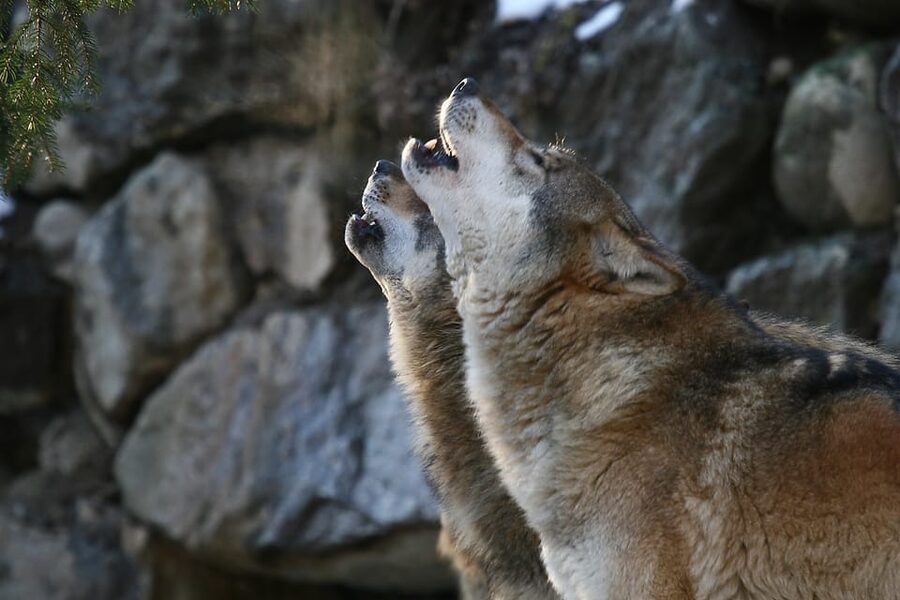
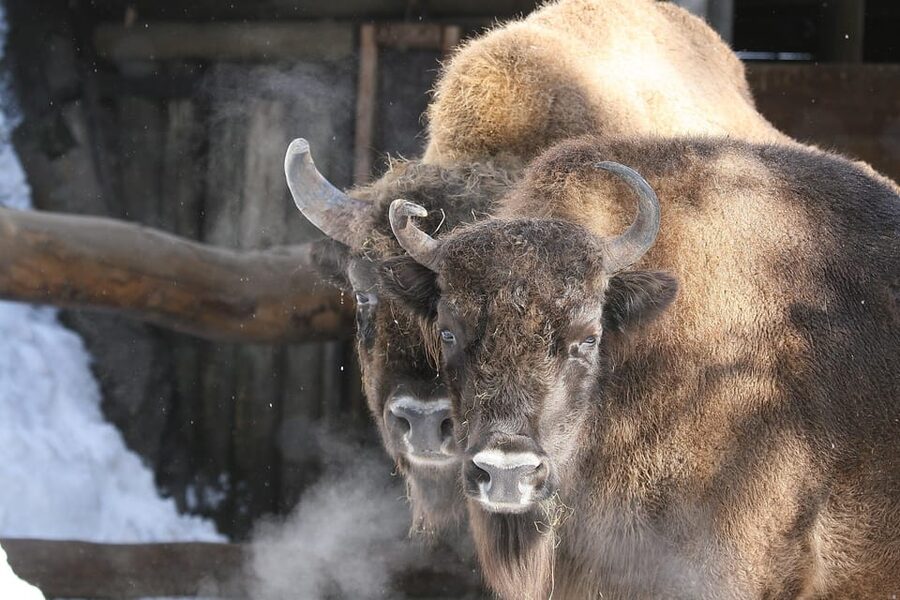
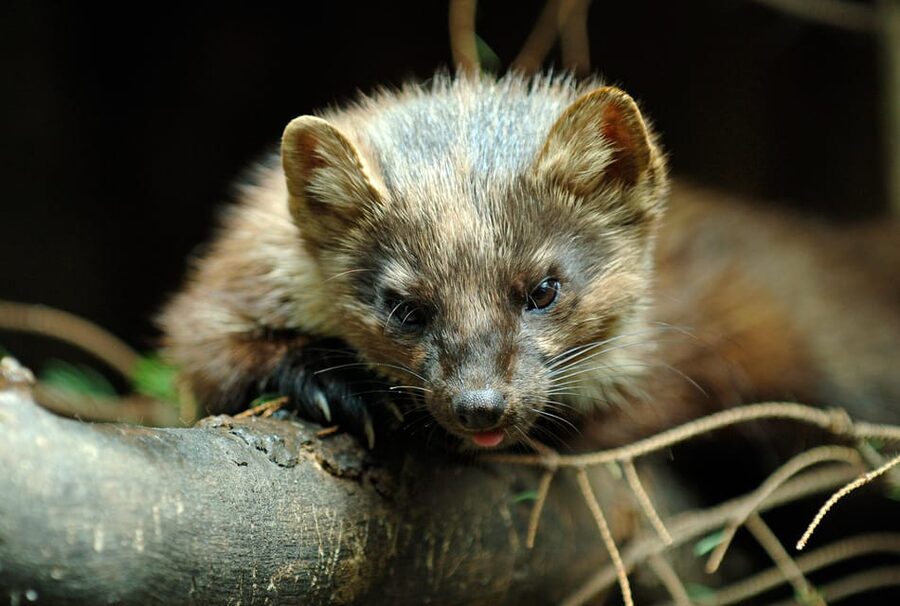
The larger mammals are likely to form the backbone of your visit. Brown bears, lynx, wolves, elk, and otters are among the notable residents. Each represents a different part of Alpine wildlife, from forest hunters to water-loving animals and large herbivores.
The zoo’s naturalistic enclosures matter here. They give the animals room and settings that reflect their normal surroundings, while giving you a better chance to understand how each species fits into the mountain environment.
The lynx is particularly tied to the zoo’s conservation message. It is a quiet, elusive animal, and seeing one can require patience. You may not get an instant, picture-perfect view. That is not a flaw so much as a reminder that wildlife does not perform on command.
Wolves and bears provide the big-name appeal, especially for children. Elk help show the scale of Alpine mammals, while otters bring movement and energy to the water areas. I would slow down at each enclosure rather than rushing from one famous animal to the next.
Bring a camera if you like taking pictures, but keep it secondary. The zoo offers a chance to watch animal behavior, not just collect photographs. In winter, most animals remain active, so the cold months can still provide a worthwhile visit. Marmots, reptiles, and amphibians are the main exceptions, since they are less active or inactive during winter.
Birds of prey, Alpine birds, and the aviaries
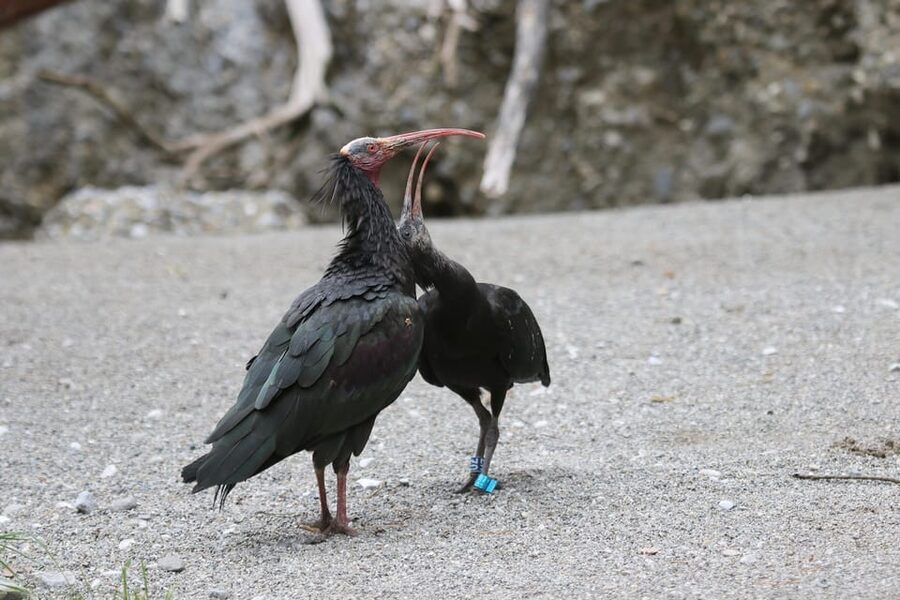
Birds make up a large part of the collection, with around 60 Alpine bird species represented. The aviaries let you view birds in settings with more space than a standard small cage, and the bird displays add variety after the larger mammals.
March is a good time to pay attention to bird behavior. The zoo’s seasonal calendar highlights courting and nest-building during that month. If you visit then, look for activity rather than simply trying to identify every bird.
Birds of prey are among the notable animals here. They offer a useful connection to the open mountain regions, where flight and keen eyesight are vital. The zoo’s wider bird collection also helps you notice how different species occupy forests, cliffs, water, and high Alpine areas.
The bird areas are a good reason not to treat this as a quick stop. You will get more from the visit if you give yourself time to watch, wait, and compare. A child who loses interest at a bear enclosure may become engaged again by birds moving through an aviary.
Same Alps, a completely different kind of day:
- Tyrolean Evenings Family Gundolf in Innsbruck
★ 4.7 · 975 reviews - Innsbruck Swarovski Crystal Worlds Ticket and Transfer
★ 4.6 · 658 reviews - Combi Entrance Ticket to Alpine Zoo and Hungerburg
★ 4.5 · 637 reviews - Innsbruck: City Card Including Public Transport
★ 4.7 · 437 reviews
Spring brings young ibex, chamois, and deer
If you can choose your dates, April through June offers some of the zoo’s most appealing seasonal sights. Young ibex, chamois, and deer appear during this period, giving the visit a lighter and more active feel.
Spring also brings new growth and increased animal activity. Birds are courting and building nests from March, while young mammals become a natural focus from April onward. For families, this period may offer the best mix of animal movement and seasonal interest.
You should still keep expectations realistic. The zoo cannot promise that every animal will be visible when you arrive. The appeal is the chance to observe animals at different stages of activity, and spring gives you more natural behavior to watch.
Winter has a different advantage. Most animals remain active, and the zoo is open throughout the colder months. If Innsbruck is part of a winter trip, you can still see the bears, wolves, lynx, elk, otters, and many birds. Just bring warm clothing and understand that marmots, reptiles, and amphibians may not be active.
Aquariums and the Alpine fish collection
The fish displays are easy to overlook, but they are one of the zoo’s most distinctive elements. The Alpine region contains many fish species, and the zoo presents nearly all of them in aquariums.
These displays give you a calmer break from the larger outdoor enclosures. They also make the Alpine ecosystem feel more complete. Mountains are not only cliffs and forests. Lakes, streams, and cold water support their own animal life.
I would make a point of including the aquariums even if you are mainly visiting for bears or wolves. They suit rainy days, younger children who need a quieter section, and anyone interested in the way water links the valleys and mountain habitats.
Terrariums add another indoor element. Keep in mind that reptiles and amphibians are not active in winter, so a cold-season visit may offer less to see in those areas.
Conservation beyond the animal enclosures
The Alpine Zoo takes part in European Endangered Species Breeding Programs and European Studbooks. These programs coordinate breeding and records among zoos, helping protect species that face serious pressure in the wild.
The zoo also serves as a reception center for injured wildlife. That gives the institution a direct role in the protection of Alpine fauna, beyond displaying animals to the public.
For you, this means the visit can provide context as well as entertainment. You see the animals, then learn that some of the same species require careful breeding work, medical care, or protection in their natural habitats.
This is one of the strongest reasons to choose the Alpine Zoo over a more general zoo if you are already spending time in Tyrol. Its mission connects directly to the region around you.
Planning the visit around opening hours
The zoo is open daily, including Sundays and public holidays. From April through October, hours are 9:00 AM to 6:00 PM. From November through March, it closes earlier, at 5:00 PM.
The ticket is valid for one day, and the price is about $17 per person. I consider that fair value if you plan to spend several hours here, especially with children. A family can move at an unhurried pace, stop for food, revisit a favorite enclosure, and still avoid the pressure of a timed tour.
A short visit is less convincing at that price. If you only have an hour in Innsbruck, the sloped grounds and spread-out habitats may make the experience feel rushed. Give yourself enough time to see the mammals, birds, aquariums, and seasonal areas.
The visit does not have a fixed tour schedule. You check availability for the available starting time, then use the ticket during the valid day. You should plan around the opening hours and weather rather than expecting a guided group itinerary.
Taking a break at Animal Meal
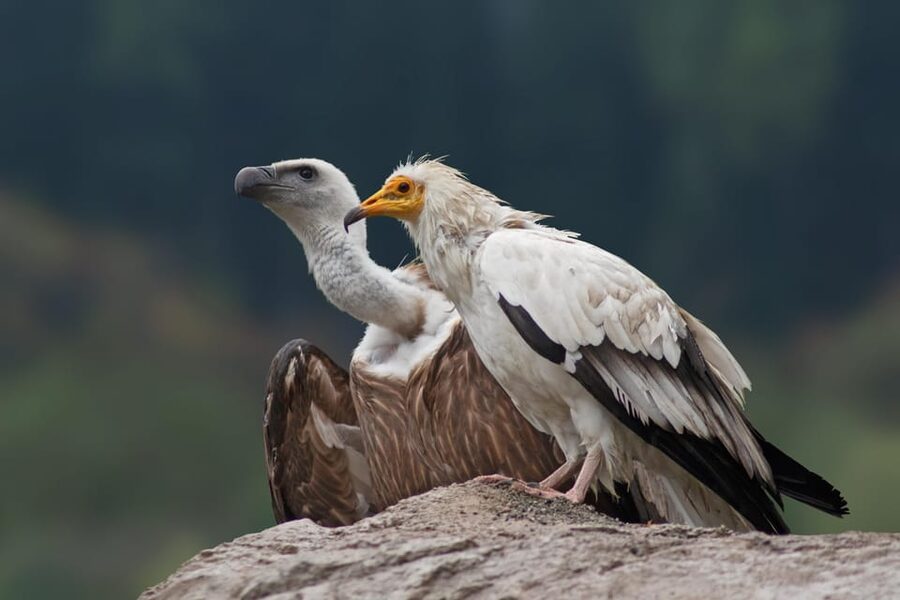
The Animal Meal bistro provides a useful pause after the uphill sections. It serves small meals and drinks, with seating for about 150 people indoors and outdoors.
The food service is best viewed as a practical break rather than a reason to visit the zoo. Since meals and drinks are not included in the ticket, budget separately for anything you buy there. You can also bring snacks and water, which is sensible given the walking and hillside paths.
Outdoor seating may be pleasant in good weather, while indoor seating gives you a place to warm up during the colder months. I would use the bistro to divide the visit into two sections, particularly if you are with children.
Who will enjoy this zoo most
This is a good choice for families who want a full-day activity with animals, outdoor walking, and a clear regional theme. The chance to see young ibex, chamois, and deer in spring adds a special touch for children.
It also suits adults who enjoy wildlife and conservation more than flashy attractions. The Alpine focus gives the visit a stronger connection to Tyrol than a standard collection of animals from around the world.
The zoo may be less suitable if you dislike hills, have back problems, or need fully level access. People with animal allergies should also think carefully before booking. Smoking is not allowed, and pets are not permitted, although assistance dogs are allowed with proper documentation.
Bring comfortable shoes, a camera, water, snacks, and weather-appropriate clothing. Assistance dogs require the correct documents. A flexible booking option lets you reserve now and pay later, while cancellation up to 24 hours before the visit allows a full refund.
Should you book the Alpine Zoo?
Book it if you want a relaxed, several-hour visit centered on Alpine wildlife rather than a quick city attraction. The $17 price makes good sense when you use the full day, and the collection covers enough mammals, birds, fish, and other animals to keep the visit varied.
Spring is the best time for nesting birds and young ibex, chamois, and deer. Winter still works for most animals, but expect less activity from marmots, reptiles, and amphibians.
I would skip it if your schedule is very tight or if sloped paths will cause discomfort. If mobility is a concern, ask the zoo directly about the bear mobile and accessible route before paying. For everyone else, this is a practical Innsbruck outing with a clear local purpose and plenty to see at your own pace.
FAQ
How much does entry to the Alpine Zoo cost?
The listed price is $17 per person.
How long is the ticket valid?
The ticket is valid for one day.
What are the Alpine Zoo’s opening hours?
From April through October, the zoo is open from 9:00 AM to 6:00 PM. From November through March, it is open from 9:00 AM to 5:00 PM.
Is the zoo open on Sundays and public holidays?
Yes. The zoo is open daily, including Sundays and public holidays.
Which animals can I see at the Alpine Zoo?
The zoo has around 150 species, including brown bears, lynx, wolves, elk, otters, birds of prey, Alpine birds, and fish. It represents around 20 Alpine mammal species, about 60 bird species, and nearly all Alpine fish species.
What should I bring?
Bring comfortable shoes, a camera, snacks, water, and clothing suited to the weather.
Is the Alpine Zoo wheelchair accessible?
The activity information describes the zoo as wheelchair accessible and includes special tours using a bear mobile. It also says the experience may not be suitable for wheelchair users because of the conditions. Contact the zoo before booking to confirm the available route and support.
Are assistance dogs allowed?
Yes. Assistance dogs are allowed with proper documentation. Other pets are not permitted.
Just added around Innsbruck
- Innsbruck – capital city of tyrol, privat tour – local guide★ 5.0 · 31 reviews
- Private Tour of Swarovski Crystal World from Innsbruck★ 4.5 · 10 reviews
- UP STREAM SURFING – The new way of surfing a river★ 5.0 · 5 reviews
- Private tour of Tyrol’s beer history★ 5.0 · 4 reviews
- Paragliding in the morning★ 5.0 · 10 reviews
- CITY QUEST INNSBRUCK: uncover the secrets of this city!★ 5.0 · 3 reviews
- Dolomites Private Tour from Innsbruck: “Taste” of other Italy.★ 5.0 · 12 reviews
- Innsbruck Scenic eBike Tours★ 5.0 · 117 reviews
Innsbruck Tours, compared.

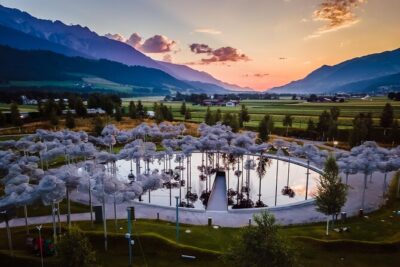
Swarovski Crystal Worlds Admission Ticket in Wattens
Read our review →
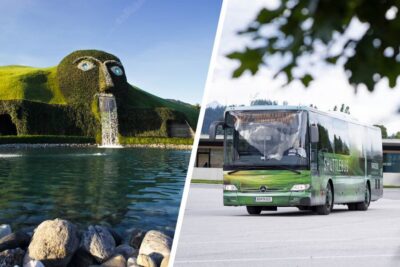
Innsbruck Swarovski Crystal Worlds Ticket and Transfer
Read our review →
Combi Entrance Ticket to Alpine Zoo and Hungerburg
Read our review →

Browse the lists this tour appears in